What Is Cinematic Portrait Photography? A Complete Style Guide
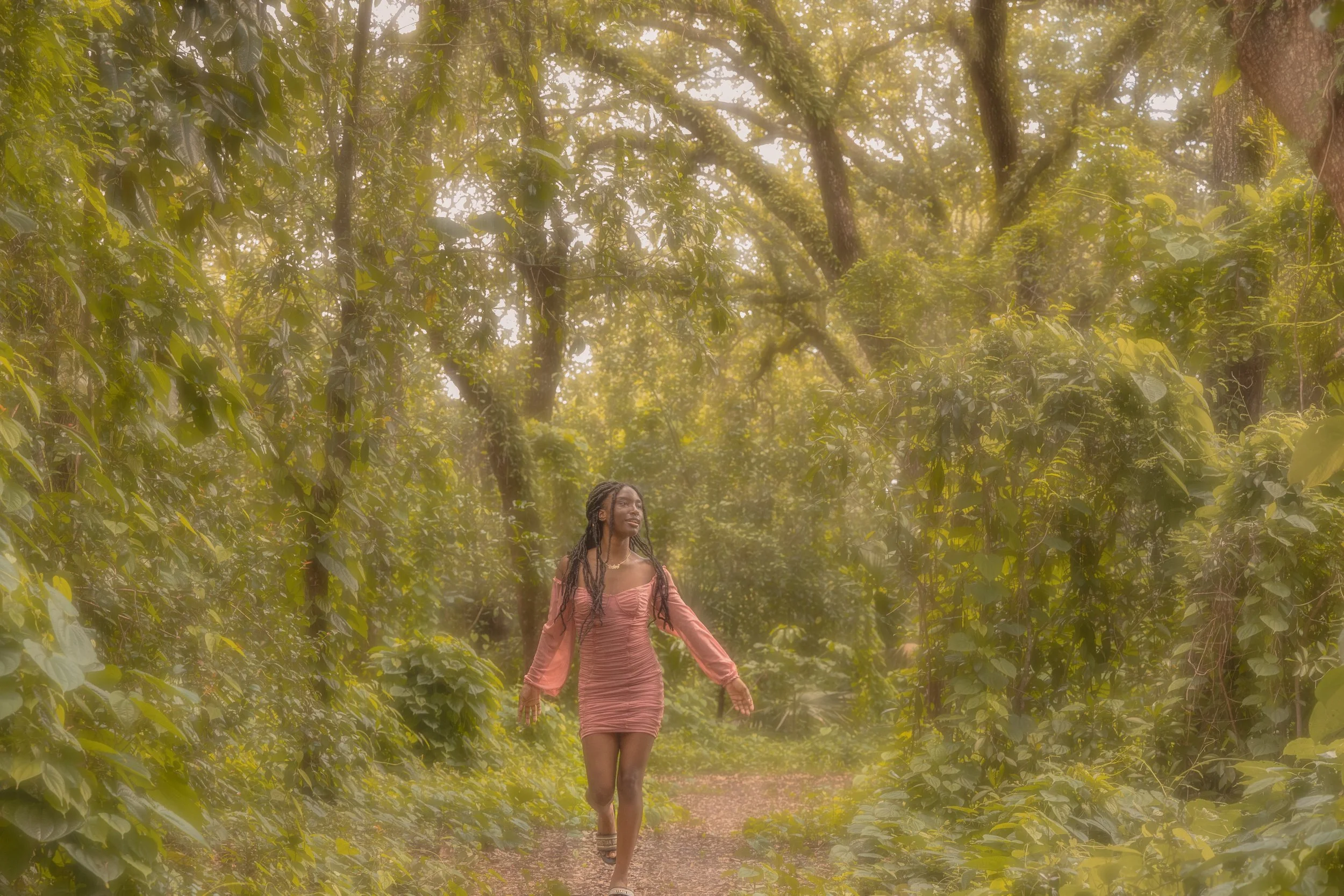
Cinematic portrait photography is a style of portraiture that borrows its rules from film instead of the classic photo studio. It leans on directional light, natural expression, and deliberate color grading to make a single still image feel like a frame pulled from a movie.
That is the short answer. The longer answer is more interesting, and it is exactly what this guide is about.
I am Javeon, the creative director and photographer behind Lack Limits Media in South Florida. I shoot this style almost every week, and I still get the same question from new clients. What actually makes a portrait "cinematic," and how do you get that exact look for your own brand?
I built this guide to answer that question in full. Below, I break down the lighting and the color choices behind this style. I also cover the storytelling instinct behind it, plus how I use it to strengthen a personal brand from the very first frame. You will know exactly what to ask for the next time you book a shoot.
Cinematic Portrait: What the Term Actually Means
Cinematic portrait photography borrows its rules from film, not from the classic photo studio. Instead of flat, even lighting and a stiff pose, the photographer builds a scene. There is shadow, there is depth, and there is a clear mood before the shutter ever clicks.
This style treats a single frame like one still image pulled from a movie. The subject looks natural, almost caught mid-thought, rather than frozen in a forced smile. Every element in the shot, from the wardrobe to the background blur, works together to support one feeling.
This is different from a quick headshot. A headshot documents what you look like. This kind of image tells people who you are.
The Core Elements of Cinematic Lighting
Lighting carries most of the weight in this style. A few core habits separate a cinematic frame from a standard one.
Directional light over flat light. Light hits the subject from one clear angle, so shadows fall naturally across the face and body.
Practical light sources. Streetlights, neon signs, window light, and golden hour sun often replace a studio soft box.
High contrast. Deep shadows sit next to bright highlights, which adds drama without losing detail in the subject's face.
Color temperature choices. Warm amber tones or cool blue tones set the emotional tone before a single edit is made.
When I plan a session, I treat lighting as the first creative decision, not the last technical step. A soft, romantic mood and a raw, bold mood both come from the same toolkit. Only the angle, color, and intensity of the light change between them.
Most clients do not realize how much a single lighting choice shapes the whole feel of a portrait. Move one light source ten degrees, and the entire emotional tone of the image shifts with it. That level of control is exactly why lighting deserves this much attention before the shoot even begins.
Film-Style vs. Traditional Portraits
A lot of clients ask how this style actually differs from a standard studio portrait. The table below breaks it down clearly.
| Element | Traditional Portrait | Film-Style Portrait |
|---|---|---|
| Lighting | Flat, even, minimal shadow | Directional, moody, high contrast |
| Composition | Centered, symmetrical | Off-center, environment-driven |
| Expression | Posed smile | Natural, in-the-moment |
| Editing | Bright, neutral tones | Film-inspired color grading |
| Best Use | Corporate headshots, ID photos | Personal branding, campaigns, storytelling |
Neither approach is wrong. A traditional portrait works well for a company directory. This film-style approach works better when you want your audience to feel something the moment they see your face online.
If you are building out your personal brand, you need visuals that carry real weight. My personal branding photography sessions are built around this exact style. Every shoot is tailored to who you are, not pulled from a generic template.
What Makes a Portrait Feel "Moody"?
Mood is not an accident. It comes from a handful of small, intentional choices stacked together.
Shadow placement matters first. When part of the face sits in soft shadow, the image feels layered instead of flat. Color grading matters next. Desaturated greens, deep blacks, and warm skin tones give a portrait its film-like feel long after the shoot ends.
Wardrobe plays a bigger role than most people expect too. Solid, muted colors photograph better than busy patterns under directional light. Simple pieces let the lighting and expression carry the image instead of competing with it.
This is exactly where portrait creative photography separates itself from a simple snapshot. Every small choice adds up, from the shirt you wear to the corner you stand in. Together, they build one cohesive feeling. That feeling is what people remember long after they scroll past.
Storytelling Portraits: When One Photo Says More Than Words
The best portraits in this style do not just show a face. They hint at a story happening just outside the frame. Maybe the subject is mid-conversation. Maybe they are pausing on a rooftop at dusk, caught between two thoughts.
This narrative approach works because people connect with stories faster than they connect with static poses. A portrait that feels like a scene invites the viewer to fill in the blanks, and that curiosity keeps them looking longer. This is the heart of portrait creative photography: story over static pose, feeling over formality.
We use this same storytelling instinct across bigger productions too. Our campaign photography work is built for brands that want a full story across many images, not just one hero shot.
Common Portrait Styles You Can Ask For
Not every film-style portrait looks the same. Here are a few common moods clients request most often.
| Style | Description | Best For |
|---|---|---|
| Film Noir | Deep shadows, high contrast, black and white or muted tones | Musicians, artists, dramatic brand stories |
| Golden Hour Warmth | Soft natural light, warm amber tones, gentle glow | Lifestyle brands, wellness creators |
| Urban Grit | Concrete textures, neon accents, night photography | Entrepreneurs, fashion, streetwear brands |
| Studio Minimalism | Clean background, single directional light, bold shadow | Executives, speakers, personal branding |
Picking a style before the shoot saves time and gives your photographer a clear creative direction to build around.
Want to see which style fits your personality best? Explore our photography and video packages to find the session that matches the story you want to tell.
How This Portrait Style Strengthens Your Personal Brand
A single strong portrait can do more work than an entire page of text. It becomes your profile photo, your website hero image, your speaker bio picture, and your social media anchor, all at once.
When that image uses cinematic portrait photography instead of a flat, generic headshot, it signals something important to anyone who sees it. It says you take your presence seriously. It says you understand that first impressions online happen in a fraction of a second, and you want that fraction to count.
Creatives, founders, and personal brands across South Florida already lean on this style to stand out. If you want the same for your own presence, we can help. Our creative portrait sessions bring that same cinematic weight to your image. It works well for a brand built from scratch, and it works just as well for one that simply needs a refresh. At Lack Limits Media, every session starts with your story first and your camera settings second.
Preparing for Your Portrait Session
A little preparation goes a long way toward getting that film-like result.
Pick 2 to 3 wardrobe options in solid, muted colors rather than busy patterns.
Think about the mood before the location. Decide on warm and soft, or raw and moody, first. The location choice becomes much easier once that decision is made.
Bring reference images. A few saved posts help your photographer understand the exact feeling you are chasing.
Plan for golden hour if you want natural, warm directional light without extra equipment.
Relax your expression. The most compelling portraits capture a natural moment, not a forced smile.
None of this requires a professional background. It just requires a little intention before the camera comes out.
Most clients are surprised how fast nerves fade once the session starts. A good photographer directs your posture and movement in real time. You never have to guess what to do with your hands or where to look. The camera notices confidence faster than a perfect outfit. Showing up relaxed matters more than showing up rehearsed.
Final Thoughts: Give Your Story a Cinematic Portrait Photography Upgrade
Your face tells a story before you say a single word. That story can look flat and forgettable, or it can look cinematic and memorable. The choice comes down to lighting, direction, and intention.
At Lack Limits Media, every session is built around your personality, not a fixed template pulled off a shelf. We plan the lighting, the location, and the mood around who you actually are, then let the camera do the rest.
Ready to stop blending in with flat, generic portraits? Book your cinematic portrait photography session today and let us build a visual story that actually looks like you.
Frequently Asked Questions
-
It is a portrait style built on film-inspired lighting, natural expressions, and intentional color grading. Instead of flat studio lighting, the photographer uses shadow, contrast, and mood. This makes one still image feel like a frame pulled from a movie.
-
Not at all. Most clients have never modeled before. A skilled photographer directs your posture, expression, and movement. The final images feel natural and confident, true to your personality instead of stiff or staged.
-
Choose solid, muted colors over busy patterns or logos. Simple wardrobe choices let the lighting and mood carry the image. Bring one or two backup outfits so we can adjust if the light or location shifts slightly.
-
A headshot documents your appearance for identification purposes. This approach uses lighting, composition, and storytelling to communicate personality and emotion. It works far better for personal branding, websites, and social media.
-
Yes, and it often works better than a traditional headshot. This approach gives founders, creatives, and entrepreneurs a distinct visual identity. It stands out on LinkedIn, websites, and social platforms instead of blending in with generic stock-style photos.